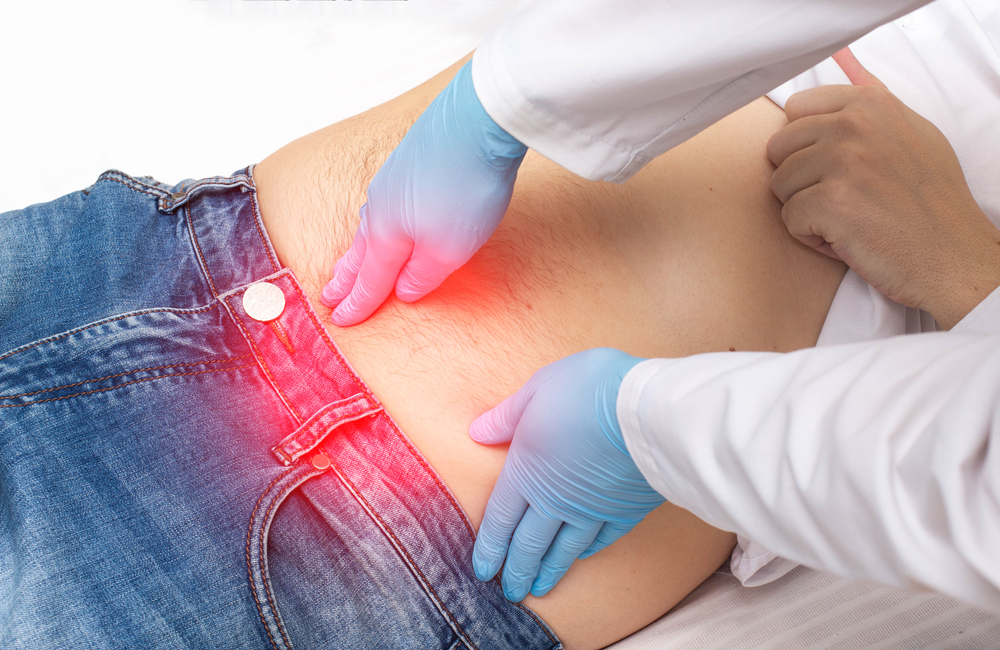
If you have noticed a new bulge, pressure, or discomfort in your abdomen or groin, you may wonder whether a hernia can heal on its own. For adults, the short answer is generally no. A hernia occurs when tissue pushes through a weakened area in the abdominal wall, and that opening does not typically close without surgical repair.
While not every hernia requires immediate surgery, delaying hernia treatment without an evaluation can allow symptoms to progress. At Laparoscopic Surgical Center of New York, we evaluate each patient individually to determine when hernia repair may be appropriate.
Why Hernias Do Not Usually Heal on Their Own
Unlike a muscle strain or minor injury, a hernia involves a structural weakness or opening in the abdominal wall. Rest, exercise, lifestyle changes, and supportive garments may help reduce discomfort in some cases, but they do not repair the weakened tissue.
Some hernias remain relatively stable for a period of time, while others become larger or more uncomfortable. The course can vary depending on the type, size, location, and individual patient.
Is It Safe to Delay Hernia Treatment?
In certain situations, a surgeon may recommend watchful waiting. For example, some adults with a small, reducible hernia that causes little or no discomfort may be monitored rather than having surgery immediately.
However, watchful waiting should be based on a medical evaluation. A hernia that begins interfering with exercise, work, sleep, or everyday activities may need treatment. Increasing pain or enlargement can also indicate that it is time to reconsider repair.
When a Hernia Needs Immediate Attention
Certain symptoms may indicate that tissue or intestine has become trapped within the hernia. Seek urgent medical attention if you experience:
Sudden or severe pain near the hernia
Nausea or vomiting
A bulge that becomes firm, extremely tender, or cannot be pushed back in
Increasing abdominal swelling or pain
Difficulty passing stool or gas
A trapped or strangulated hernia can become a surgical emergency and should not be ignored.
What Happens During Hernia Repair?
Surgery is the only way to physically repair the opening causing a hernia. Depending on the type of hernia and your individual needs, treatment may involve an open or minimally invasive approach.
Laparoscopic hernia repair uses small incisions and specialized surgical instruments to access and repair the weakened area. The appropriate surgical approach depends on factors such as the hernia's size and location, previous surgeries, symptoms, and overall health.
Get Your Hernia Evaluated Before Symptoms Progress
You do not have to wait until a hernia becomes painful or disrupts your daily routine to speak with a surgeon. An evaluation can help determine what type of hernia you have, whether monitoring is appropriate, and when surgical treatment should be considered.
Schedule a hernia consultation with Laparoscopic Surgical Center of New York to discuss your treatment options. Contact our office in New York, NY, by calling (212) 879-6677 to book an appointment today.